Maintenance logs and procurement audits in US defense and industrial fleets show up to 18% of repair delays traceable to undocumented or poorly identified power semiconductors, creating mission risk and extra labor. This report consolidates the 143333016 thyristor technical footprint and presents a defensible NSN cross-reference workflow and procurement checklist so maintenance and procurement teams can validate replacements with minimal schedule impact.
1 — Part identification & context: 143333016 thyristor overview

Part marking, naming conventions and the NSN footprint
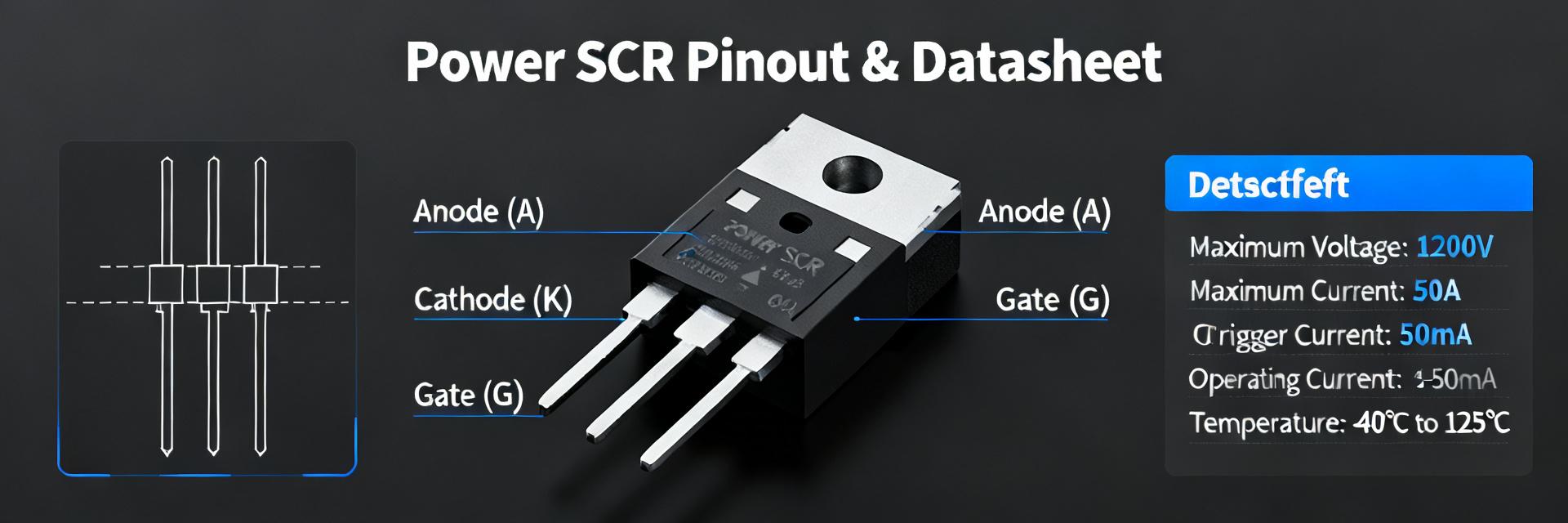
Technicians should expect module and package markings that combine numeric designations, vendor type codes and date/lot stamps; the numeric string 143333016 often appears on legacy maintenance callouts while NSN entries use a standardized classification and nomenclature. Capture clear photos of the faceplate, label, and all stamped alphanumeric sequences, plus a calibrated caliper measurement of package dimensions and pin spacings to confirm identity against NSN cross-reference candidates.
Common industrial and military applications
These SCR/thyristor modules are commonly used for high-current switching, charging control, and bulk power regulation in mission-critical equipment where controlled conduction and robust surge tolerance are required. Form factors range from stud-mounted discrete SCRs to bolted power modules; voltage and current class implications determine heatsink strategy and required derating for long-term reliability in harsh environments.
2 — Technical specs deep-dive: electrical, thermal & mechanical specs
Electrical ratings and performance parameters
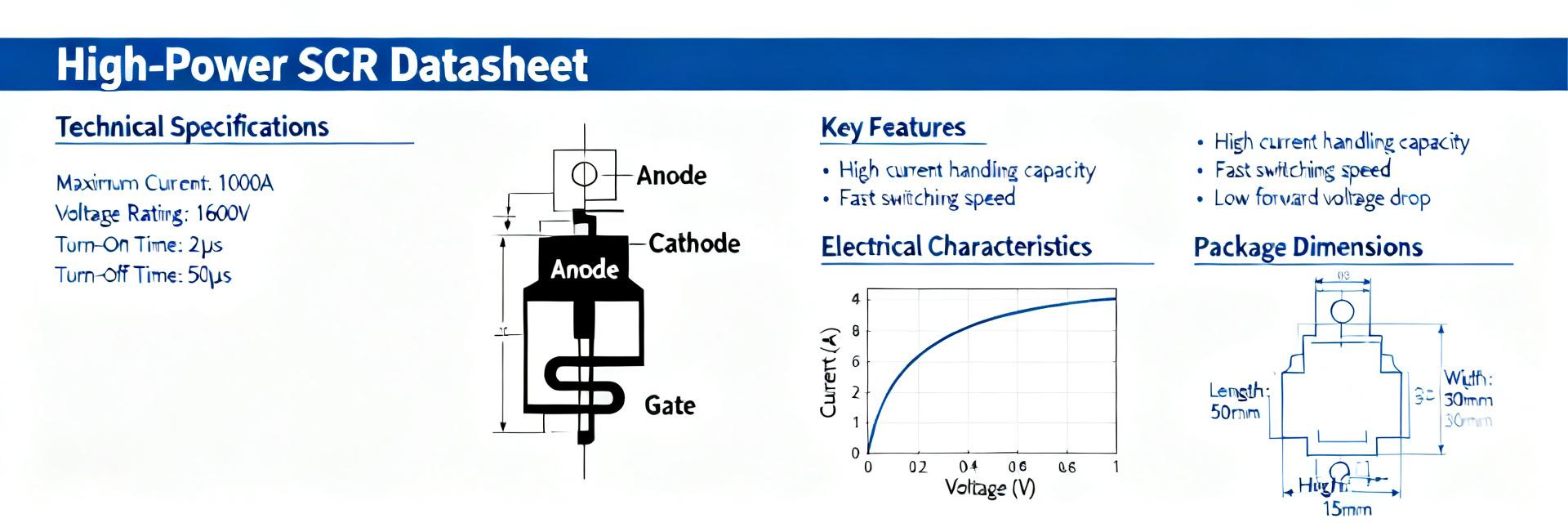
Key electrical specs to document for any candidate include Vdrm/Vrrm (blocking voltage), IT(RMS) continuous current, ITSM surge current, gate trigger current and voltage (Igt/Vgt), off-state leakage, dv/dt immunity and reverse/recovery characteristics where applicable. When spec sheets are incomplete, accept close matches within defined tolerance bands (for example, blocking voltage ≥ original, IT(RMS) within ±15%, and ITSM equal or greater) and note margin assumptions in procurement records.
| Parameter | Typical Target | Documentation |
|---|---|---|
| Vdrm / Vrrm | ≥ rated system voltage × 1.5 | datasheet, test certificate |
| IT(RMS) | Match or exceed original by ≥15% | continuous current spec |
| ITSM (surge) | equal or higher than original | surge test report |
| Rth(j‑c) | as low as possible; documented | thermal resistance table |
Thermal, mounting and mechanical specifications
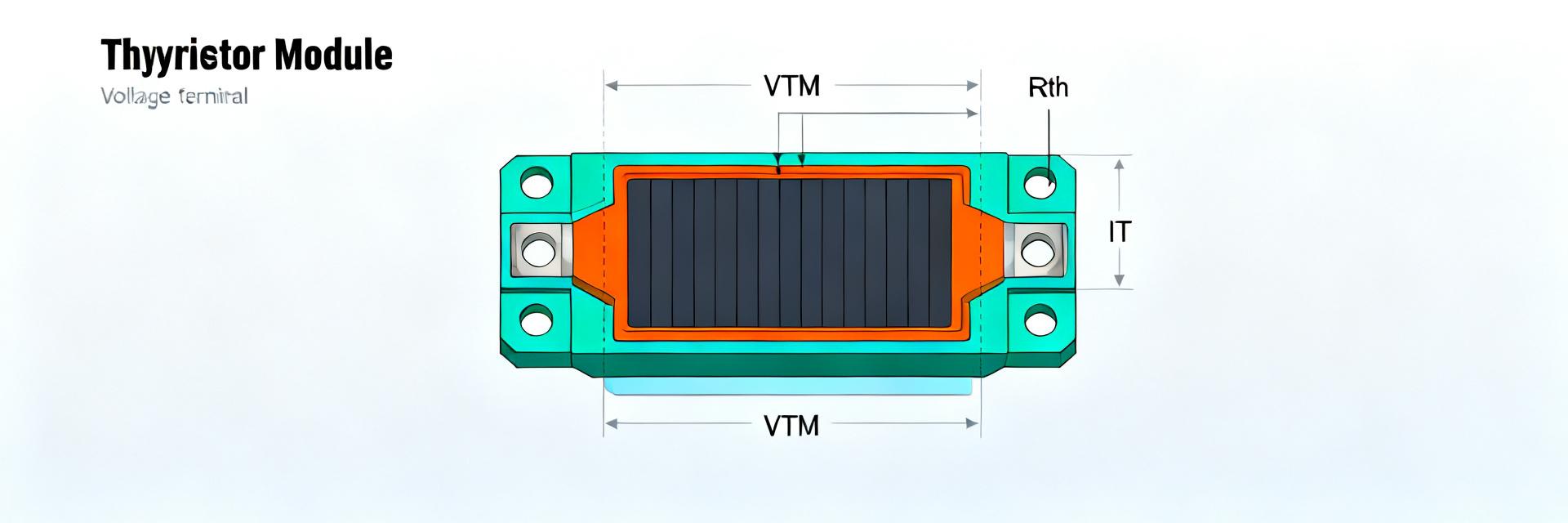
Document junction-to-case and case-to-ambient thermal resistances, maximum junction temperature and recommended heatsinking method. Verify package type (stud, bolt, module), mounting torque spec and pinout using measured dimensions and photos. During inspection, capture mounting hole diameter, thread class, and surface flatness; include these in the parts record to ensure mechanical interchangeability and reliable thermal contact in the field.
3 — NSN cross-reference methodology & verification
How to build a defensible NSN cross-reference
Start by compiling original part evidence: clear photos, full measured dimensions, and the electrical and thermal data points listed above. Search NSN and logistics databases using combined long-tail queries such as "143333016 thyristor NSN equivalent", "thyristor specs comparison table", and "143333016 NSN cross-reference". Compare full electrical, thermal and mechanical specs and require environmental and MIL/IEC tolerance parity before considering an NSN candidate as equivalent.
Procurement validation and qualification checks
Procurement must insist on traceability (lot codes, certificates of conformance), independent test reports for surge and thermal behavior, and lot acceptance sampling or QPL-equivalent evidence. Red flags include missing lot trace, swapped markings, test data gaps, or mechanical mismatches. Use a short acceptance checklist recording part ID, NSN candidate, percent electrical match, thermal margin, and supplier traceability before approval.
4 — Case examples & bench-test protocols
Typical replacement scenarios and decision criteria
In urgent sustainment scenarios where downtime threatens operations, a direct replacement with documented equal or superior specs and fast supplier trace is preferred. In longer-term redesigns, selecting a modern module with better thermal margin and simplified mounting can be justified despite higher initial redesign cost. Decisions should include cost/time tradeoffs, engineering sign‑off, and approval authorities for fielded systems.
Bench testing protocol to validate a candidate replacement
Run a stepwise bench protocol: visual and marking inspection; continuity and diode checks; gate trigger verification at multiple temperatures; controlled surge tests up to rated ITSM with instrumentation logging; and a short thermal soak with junction-temperature monitoring. Recommended instrumentation: bench power supply, calibrated current probe, thermal chamber or controlled heatsink, and an oscilloscope. Define pass/fail metrics in procurement records.
5 — Actionable procurement & maintenance checklist
Immediate steps for engineers and procurement teams
Today’s prioritized actions: photograph suspect parts with scale, measure package and pin dimensions, capture full marking strings, run an NSN cross-reference using long-tail queries, request full datasheets and lot test reports from potential suppliers, quarantine suspect stock, and schedule bench validation on one sample. Maintain a procurement CSV template with columns: original part ID, NSN candidate, electrical match %, thermal margin, supplier lot, and C of C status.
Long-term risk mitigation & inventory best practices
Implement shelf-life labeling, serialize critical spares, manage an approved alternates list with documented margins, and schedule periodic re‑verification of alternate parts. Adopt de-rating policies (for example, 80% of rated continuous current for long service life) and plan surge capacity to reduce field failures. Periodic inventory audits should include re-checking NSN equivalence and test evidence.
Summary
This report gives a practical, data-driven route to identify and validate the 143333016 thyristor, perform a defensible NSN cross-reference, and apply specs-based checks to approve replacements. Follow the inspection, comparison and bench-validation steps, document margins and traceability, and apply procurement controls to reduce repair delays and mission risk.
- Capture complete part evidence (photos, markings, dimensions) and compare electrical specs for any NSN cross-reference candidate; document margins and assumptions for procurement records.
- Require surge and thermal test evidence plus lot traceability before approval; use a short acceptance checklist to standardize decisions and expedite sustainment actions.
- Mitigate long-term risk with serialization, an approved alternates list, de-rating policies and periodic re‑verification to prevent field failures and unnecessary downtime.
Frequently Asked Questions
What identification steps confirm a 143333016 part is authentic?
Confirm authenticity by photographing all markings, measuring package and pin dimensions, comparing electrical ratings on any available datasheet to the original spec, and verifying lot traceability. If markings are incomplete, bench test one sample for gate trigger and surge behavior before accepting stock into service.
How is an NSN cross-reference validated for a 143333016 thyristor?
Validation requires matching blocking voltage, continuous and surge current, thermal resistance, mechanical mounting and environmental tolerances; procurement should obtain test reports and certificates of conformance and document any de-rating or margin assumptions prior to approval.
What bench tests are essential to approve a 143333016 replacement candidate?
Essential bench tests include gate trigger characterization, controlled surge (ITSM) testing with logged waveforms, leakage and off-state checks, and a thermal soak to verify junction temperature under load. Record pass/fail thresholds and retain data with the procurement file for traceability.
What is the significance of thermal mounting torque for the 143333016?
Proper mounting torque ensures minimal thermal contact resistance and prevents physical package distortion. Deviations from the specified torque can lead to localized thermal hotspots or internal mechanical stress, inducing premature silicon structural failure under high-surge conditions.